Electric Vehicle Battery Care and Charging Tips
Electric vehicles (EVs) rely on advanced lithium-ion battery packs, which are complex electrochemical systems that degrade over time due to various factors. Understanding how charging habits, temperature, and usage patterns influence battery health can help owners make informed decisions. This article outlines general best practices for EV battery care, based on current industry knowledge and research. It is not intended as a substitute for professional advice or the specific guidelines provided by vehicle manufacturers.
The information presented here focuses on common practices that may contribute to extended battery life, but individual results can vary significantly. Battery performance depends on multiple variables, including cell chemistry, driving conditions, climate, and charging infrastructure. Therefore, any recommendations should be considered in the context of the owner’s manual and local conditions.
By adopting a proactive approach to battery management, EV owners can potentially mitigate some of the factors that lead to capacity loss. The following sections explore key aspects such as charging routines, temperature management, and the appropriate use of fast chargers. These insights are intended to support informed decision-making and promote a better understanding of EV battery technology.
Understanding EV Battery Degradation
All lithium-ion batteries experience capacity fade and increased internal resistance over time, which reduces the amount of energy they can store and deliver. This degradation is a natural consequence of repeated charge and discharge cycles, as well as exposure to stressful conditions. The rate of degradation, however, is not fixed; it can be influenced by how the battery is used and maintained. For example, frequent exposure to high temperatures or consistently charging to 100% can accelerate the aging process. Conversely, moderate charging habits and temperature control may slow it down.
Battery management systems (BMS) in modern EVs are designed to protect the battery by regulating voltage, current, and temperature. These systems often include buffers at the top and bottom of the state of charge (SoC) to prevent extreme conditions. Despite these safeguards, owner behavior still plays a role in long-term battery health. Recognizing the signs of degradation, such as reduced range or slower charging speeds, can help owners adjust their habits accordingly. However, it is important to note that some degree of degradation is inevitable and should be expected.
Charging Habits for Longevity
The way an EV is charged can have a significant impact on battery lifespan. Most manufacturers recommend keeping the state of charge between 20% and 80% for daily use, as this range minimizes stress on the battery cells. Charging to 100% is typically reserved for long trips, and even then, it is advisable not to leave the battery at full charge for extended periods. Similarly, allowing the battery to drop to very low levels regularly can also be detrimental. Therefore, a balanced approach to charging is often beneficial.
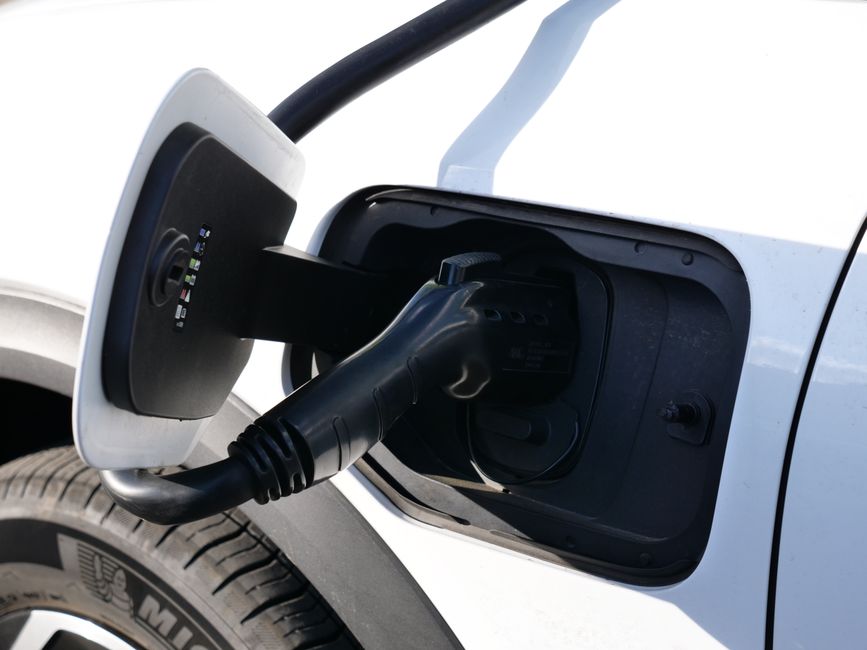
Another consideration is the charging speed. While fast chargers are convenient for quick top-ups during travel, frequent use of high-power DC fast charging can generate more heat and may contribute to faster degradation compared to slower AC charging. For routine charging at home or work, Level 1 or Level 2 chargers are generally gentler on the battery. It is also helpful to avoid charging immediately after aggressive driving when the battery is hot; allowing it to cool down first can reduce thermal stress. These practices align with the concept of moderate, consistent charging.
- Avoid frequent full charges and deep discharges.
- Prefer slower charging methods for daily needs.
- Charge in a cool, shaded area when possible.
- Use scheduled charging to take advantage of off-peak electricity and cooler temperatures.
- Follow the manufacturer’s specific recommendations for your vehicle model.
Temperature Effects and Management
Temperature is one of the most critical factors affecting battery performance and longevity. Lithium-ion batteries operate best within a moderate temperature range, typically between 20°C and 30°C (68°F and 86°F). Exposure to extreme heat can accelerate chemical reactions inside the cells, leading to permanent capacity loss. Cold temperatures, on the other hand, temporarily reduce available capacity and can increase internal resistance, making it harder for the battery to deliver power. Both extremes can impact driving range and charging efficiency.
In hot climates, parking in the shade or in a garage can help keep the battery cooler. Some EVs have active thermal management systems that cool or heat the battery as needed, but these systems also consume energy. Preconditioning the battery while plugged in can bring it to an optimal temperature before driving, which may improve efficiency and reduce strain. In cold weather, using seat heaters and steering wheel heaters instead of the cabin heater can conserve energy. Additionally, some vehicles allow owners to set a departure time so the battery is preconditioned using grid power rather than battery power.
When to Use Fast Chargers
Fast chargers, also known as DC fast chargers or Level 3 chargers, are designed to deliver high power to the battery, enabling rapid charging during long journeys. While they are essential for road trips and emergencies, frequent use can contribute to battery degradation due to the heat generated and the stress of high current. Therefore, it is generally recommended to use fast chargers sparingly and rely on slower charging for everyday needs. When using a fast charger, it is often beneficial to charge only up to 80% because the charging rate typically slows significantly beyond that point to protect the battery.
It is also advisable to avoid using fast chargers when the battery is very hot or very cold, as this can exacerbate stress. Some vehicles automatically limit fast charging power under extreme temperatures. Planning routes with adequate charging stops and allowing the battery to cool between fast charging sessions can help mitigate potential negative effects. Ultimately, the frequency of fast charging should be balanced with the owner’s driving requirements and the availability of alternative charging options.
Additional Best Practices and Considerations
Beyond charging and temperature, other habits can influence battery health. For instance, aggressive driving with frequent hard acceleration and braking can draw large currents from the battery, potentially increasing wear. Smooth, moderate driving tends to be gentler on the battery and can also improve efficiency. Similarly, minimizing the use of DC fast charging when not necessary and avoiding leaving the vehicle plugged in at 100% for days are good practices. Regular software updates from the manufacturer may also include improvements to battery management algorithms, so keeping the vehicle up to date is beneficial.
It is important to recognize that battery technology is continually evolving, and best practices may change over time. Owners should consult their vehicle’s manual and any specific guidance from the manufacturer, as recommendations can vary between models and battery chemistries. Auto Insight emphasizes that while these general tips can help, they are not guarantees of specific outcomes. Battery lifespan is influenced by a combination of factors, many of which are beyond the owner’s control. Therefore, a reasonable approach is to follow manufacturer guidelines and adopt consistent, moderate habits that support overall battery health.
“Battery care is not about perfection but about consistent, informed choices that align with your driving needs and the capabilities of your vehicle.”
In summary, maintaining an EV battery involves a holistic approach that considers charging patterns, temperature exposure, and usage. By understanding the principles behind battery degradation and applying them in a practical manner, owners can contribute to the longevity and performance of their electric vehicles. As the EV market continues to grow, staying informed about best practices will remain valuable for maximizing the ownership experience.